
The Witch's Bakery Oreo: Meet Orio, Lunne's Helper
The Witch's Bakery Oreo guide: meet Orio, Lunne's shapeshifting helper, learn how bakery tasks work, and keep the dough flowing during each working day.
Jump to
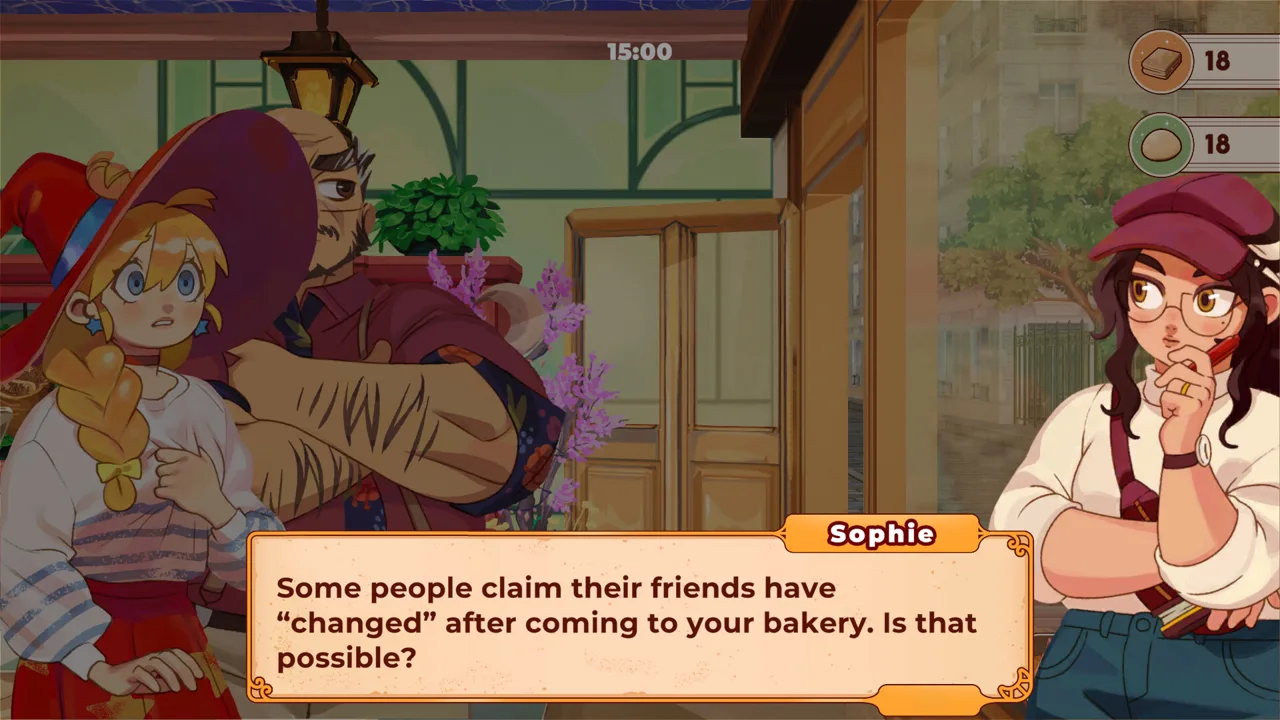
Who Is Oreo in The Witch's Bakery?
The Witch's Bakery Oreo searches lead to Orio, the squishy, catlike magical companion who helps Lunne run her Paris bakery. Understanding the partnership makes serving customers easier: Lunne prepares dough and handles orders, while Orio bakes and sorts the treats. This The Witch's Bakery Oreo guide covers the character's name, shapeshifting nature, design, and place in your daily routine.
The spelling to remember is Orio. Although you'll also encounter “Oreo” in discussions of the character, Orio is the name used in the character's own introduction. That distinction helps when you're looking for character details rather than information about cookies.
Orio is a Metamorph, a magical being capable of changing size and shape. The familiar catlike appearance combines pointed ears, an oversized head, and a small, soft body. There's also a slight transparency to the character, making that bright coloring especially important.
| Character detail | What to know |
|---|---|
| Name | Orio |
| Magical identity | Metamorph |
| Physical abilities | Can change size and shape |
| Appearance | Soft, slightly transparent, and catlike |
| Connection to Lunne | Close friend and magical helper |
| Bakery duties | Bakes treats and sorts them into baskets |
You control Lunne, the witch opening a bakery in modern Paris. Her specialty is healing emotions through magic and bread. Orio works alongside her in that everyday setting, giving the bakery a partnership that extends beyond its customer counter.
The Witch's Bakery Oreo Character Design Explained
Orio's appearance has a playful contradiction: recognizable cat features attached to something wonderfully gooey. The pointed ears suggest a familiar animal, while the soft silhouette belongs to a creature that can reshape itself.
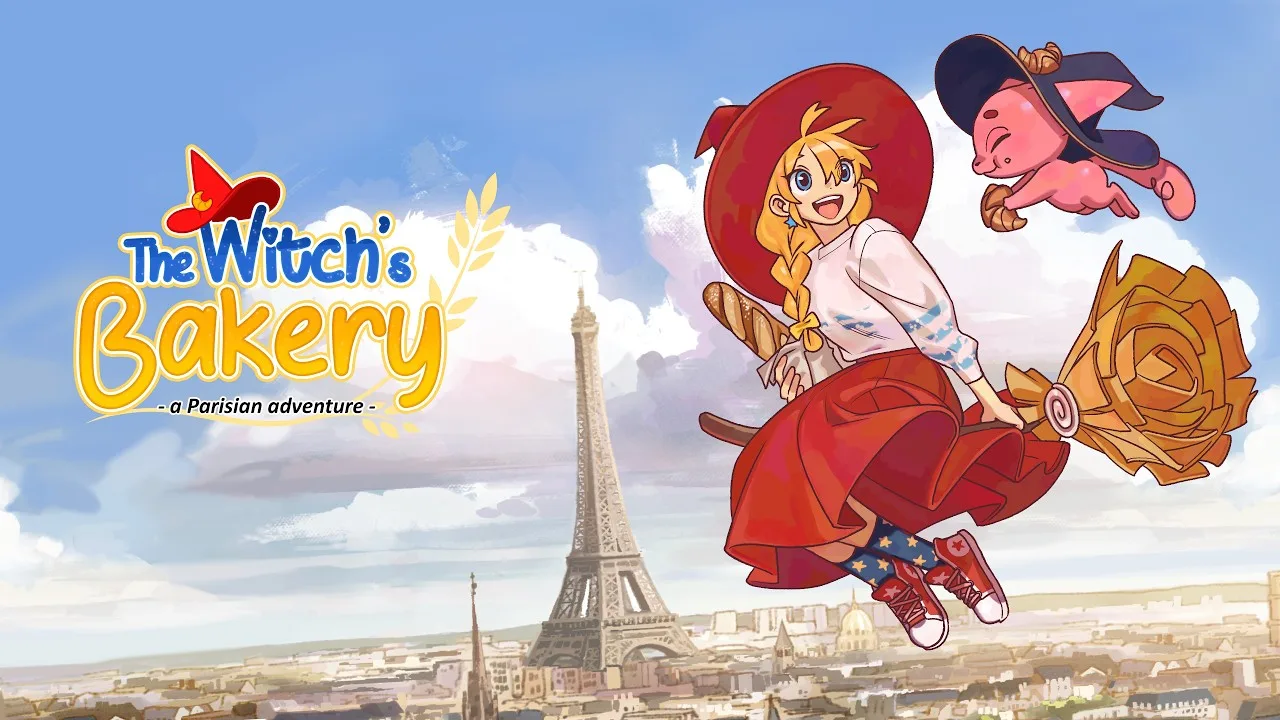
That squishiness was central to the design from the beginning. Early concepts explored blobs, tiny wiggling creatures, and bacteria-inspired shapes. Across those different versions, the consistent idea was a body that looked soft enough to gently press and capable of returning to its original form.
The catlike features developed gradually. Expressive eyes and ears gave the simpler shapes more personality, while later variations explored everything from fluffy cats to little feline blobs.
| Design element | How it shapes Orio |
|---|---|
| Soft body | Preserves the character's gooey appearance |
| Oversized head | Gives the face a prominent place in the silhouette |
| Small pointed ears | Adds expressive, catlike features |
| Slight transparency | Reflects Orio's unusual physical nature |
| Bright pink coloring | Keeps the character visually noticeable |
Pink became the chosen color because it stands out despite Orio's transparency. It also reinforces the magical appearance: this isn't a creature designed to blend into ordinary Parisian wildlife.
Watch the ears and overall silhouette when Orio appears beside Lunne. Those details carry much of the character's visual personality. The combination makes Orio recognizable without depending on complicated clothing or elaborate accessories.
Lunne's own design ties witchcraft to baking through details such as her bread-shaped braid and the croissant ornament on her hat. Together, the two characters make the game's central idea immediately readable: daily life in Paris, with magic woven into ordinary work and friendship.
How Orio Helps You Run the Bakery
The practical answer behind The Witch's Bakery Oreo searches is that Orio handles a substantial part of production. During bakery hours, you prepare dough through short mini-games, serve customers, and keep an eye on what the shop needs.
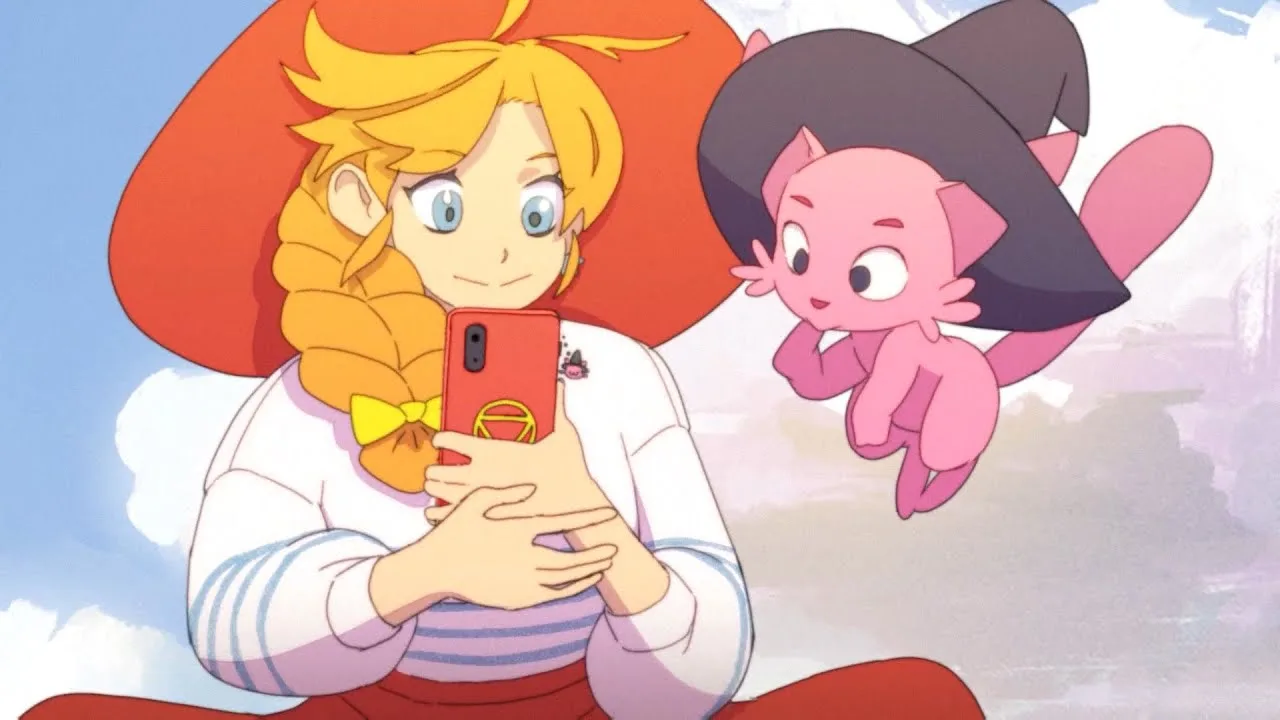
Orio then bakes the treats and places them into their respective baskets. Your responsibilities connect directly: when the dough supply runs out, Orio stops baking.
That makes dough the resource to watch whenever the counter gets busy. Serving the customers already waiting matters, but keeping production supplied matters too.
| Bakery task | Who handles it | What to watch |
|---|---|---|
| Preparing dough | Lunne, through mini-games | Remaining dough supply |
| Baking treats | Orio | Production stops without dough |
| Sorting finished treats | Orio | Treats go into their respective baskets |
| Fulfilling orders | Lunne | What each customer requests |
| Prioritizing a treat | Player-directed production choice | Higher demand for a particular item |
Keep Dough Available
Check the dough supply throughout service. Replenish it before you leave yourself with orders to fill and nothing being baked.
Think of the bakery as a connected sequence: prepare dough, let Orio bake, and serve the finished goods. A shortage at the beginning affects everything that follows.
Keep this relationship in mind if production stops. Check whether you've run out of dough before assuming something has gone wrong with Orio.
Respond to Customer Demand
Prioritize a particular treat when customers are requesting it more often than the alternatives. The game lets you adjust that priority, so use the option when demand becomes uneven.
Watch both the requested items and the dough supply. Changing production priorities addresses what you need baked; preparing dough supplies the baking itself.
This division of labor keeps your attention on customer service and preparation while Orio handles baking and sorting. Learn that rhythm before trying to rush through every order.
Recognize Emotional Orders
Some customers arrive with an emotional problem attached to their special order. These encounters involve a maze mini-game in which a wave of emotion can disrupt your work.
Shift your attention to the maze when one appears. These requests bring Lunne's healing abilities into the working day, connecting the bakery's service to the larger story.
Orio's job remains part of the shop's practical routine, while Lunne's magic gives particular customer interactions their emotional purpose.
Where Orio Fits Into Lunne's Daily Life
The Witch's Bakery Oreo character makes more sense within the game's daily structure. Bakery service is one part of an adventure that also includes exploring Paris, developing relationships, practicing magic, and learning recipes.
 Image: Steam / Sunny Lab
Each day has three phases: daytime, evening, and night. Those phases give you different responsibilities rather than keeping you behind the counter throughout the entire game.
| Daily phase | Lunne's main activities |
|---|---|
| Daytime | Work in the bakery, serve customers, and help with emotional troubles |
| Evening | Explore Paris, build relationships, and enter troubled hearts |
| Night | Rest, improve magic, decorate the bakery, and spend time in the atelier |
Expand the Menu Through Recipe Practice
Paris includes shops where you can buy books for new recipes. In the atelier, trying a recipe involves a more elaborate mini-game than the dough preparation used during service.
Once you've completed that recipe, it becomes part of the bakery's options. Orio can then bake it while you continue handling dough preparation.
Try new recipes in the atelier when you want to expand what the shop serves. Then pay attention to customer requests during service and adjust your production priorities when a particular treat is in greater demand.
That gives recipe practice a concrete connection to your working day. An evening or night spent on a new recipe feeds back into the menu Orio helps produce.
Make Time for Paris
Explore the city after closing the bakery. Different districts contain their own characters, shops, and activities, with additional locations opening as the story progresses.
Orio also appears alongside Lunne while exploring Paris. The companionship carries beyond the bakery, connecting the character to the broader adventure rather than limiting that presence to baking duties.
Let those outings give the workday some breathing room. Visit shops, spend time with characters, and follow the relationships that develop around Lunne's new life.
Understand Lunne's Heart Magic
Some emotional problems require more than a special order at the counter. Lunne can enter a person's Heart Palace, where thoughts and emotions become physical parts of a magical space.
Inside, she guides a personified Emotion back to the Heart's Cradle and finds the key ingredient needed for healing bread.
This is the larger purpose behind the cozy bakery routine. Producing and serving food creates the everyday foundation for a story about vulnerability, friendship, and helping people through painful feelings.
Getting Started With Lunne and Orio
Use this The Witch's Bakery Oreo guide to establish a manageable routine: learn the production partnership, explore after work, and bring new recipes back to the bakery.
During your opening sessions, focus on the connections between tasks rather than treating each activity separately.
- Watch the dough supply. Orio needs it to continue baking.
- Read customer requests carefully. Prioritize a treat when demand calls for it.
- Practice recipes in the atelier. Completed recipes expand the bakery's options.
- Explore after closing. Paris contains shops, activities, and characters tied to Lunne's life.
- Pay attention to special orders. Emotional healing is part of bakery service as well as the wider adventure.
Start Fresh if You Played the Steam Demo
Before settling into the full Steam release, check your game version and save choice if you previously played the demo. Demo saves are incompatible with the full game and can cause progress to become stuck.
Follow these steps:
- Right-click The Witch's Bakery in your Steam library.
- Open Properties.
- Select Game Versions & Betas.
- Make sure you're using Default Public Version.
- Launch the game and start a new game.
A Continue button can appear because the full game detects an older demo save. Start fresh even if that option is visible.
The Witch's Bakery Oreo partnership is easiest to follow when your attention can stay on learning the bakery's routine. Beginning with the correct version and a fresh adventure avoids the specific compatibility problem affecting demo saves.
For the PC release, you can get The Witch's Bakery on Steam. It is a single-player adventure with full controller support, so choose the controls you prefer and settle into Lunne's Parisian workday.
FAQ
Who is The Witch's Bakery Oreo character?
The Witch's Bakery Oreo character is Orio, Lunne's magical companion and close friend. Orio helps run the bakery by baking treats and sorting them into baskets while Lunne prepares dough and serves customers.
Is Orio a cat?
Orio is a Metamorph with a catlike appearance. The character has pointed ears and a soft body, can change size and shape, and is slightly transparent.
Why does Orio stop baking?
Orio stops baking when the bakery runs out of dough. Prepare more dough through the bakery mini-games to supply production, and keep checking the supply while fulfilling customer orders.
How do new recipes become available for Orio to bake?
Practice new recipes in Lunne's atelier. After completing a recipe's mini-game, that recipe is added to the bakery's options, allowing Orio to bake it during service.
Continue with
 The Witch's Bakery Romance: Estelle Relationship GuideExplore The Witch's Bakery romance with Estelle, from meeting her in Chapter 2 to building your bond through gifts, baking together, and narrative choices.
More in Characters
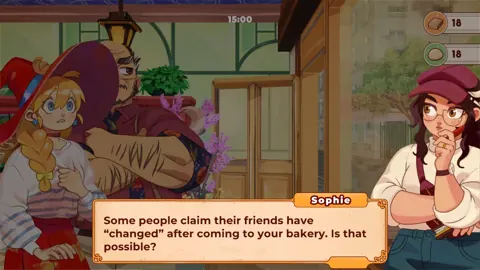
The Witch's Bakery Characters: Meet Lunne and Friends
Meet The Witch's Bakery characters, from Lunne and Orio to Estelle and Kei. Explore their roles, relationships, emotional stories, and your romance option.
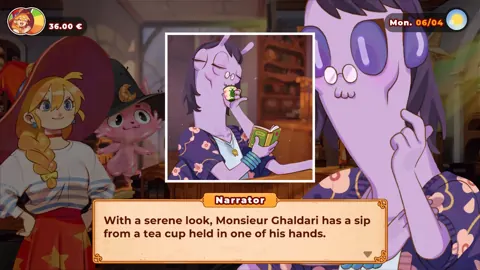
The Witch's Bakery Estelle: Romance & Character Guide
The Witch's Bakery Estelle guide: meet Estelle Berger, explore her Chapter 2 story, build your relationship, and learn how to pursue her romance in Paris.
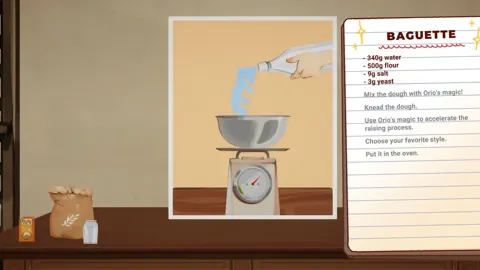
The Witch's Bakery Lunne: Magic and Character Guide
Meet The Witch's Bakery Lunne and learn how her heart magic, daily routine, friendships, and baking skills shape your adventure through the city of Paris.
Join the community
Official channels for news, updates and player help: