
The Witch's Bakery Lunne: Magic and Character Guide
Meet The Witch's Bakery Lunne and learn how her heart magic, daily routine, friendships, and baking skills shape your adventure through the city of Paris.
Jump to
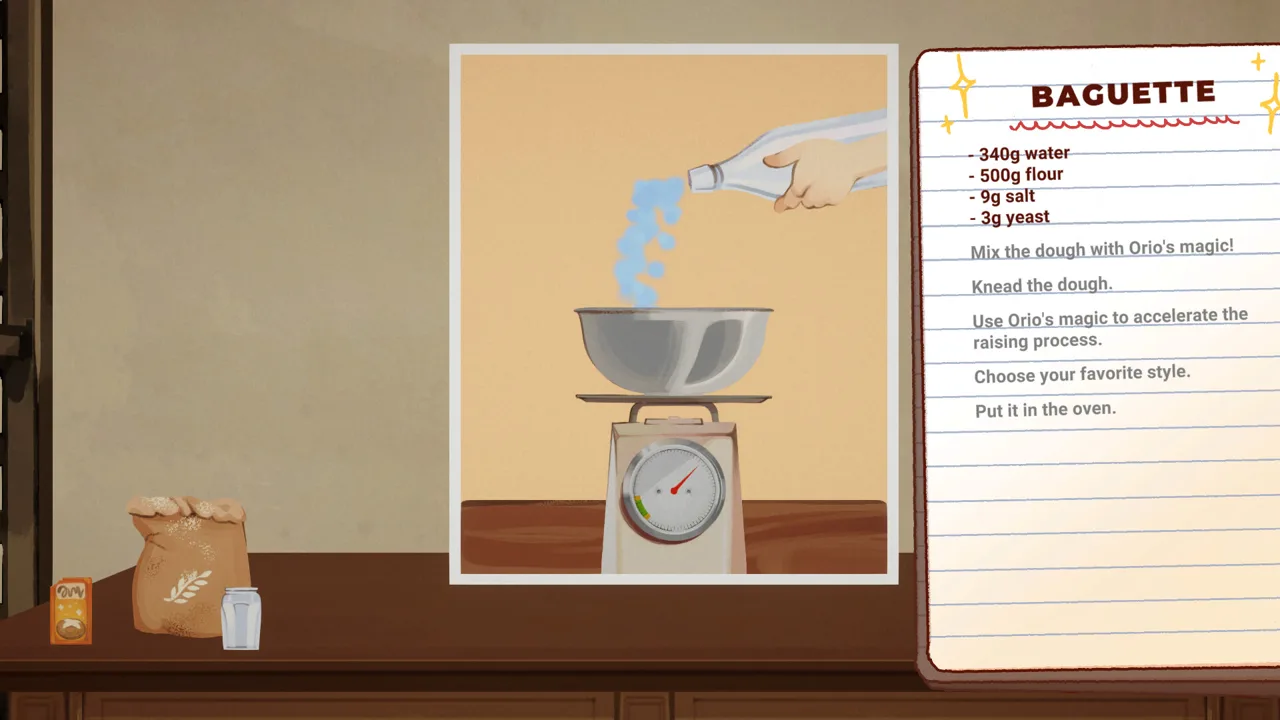
Who Is Lunne in The Witch's Bakery?
Lunne can turn a bakery order into a chance to heal someone’s heart. This The Witch's Bakery Lunne guide introduces the playable witch whose bread, friendships, and emotional magic drive your days in Paris. Understanding how her work and personal life connect helps you plan your time, protect her energy, and move through the story.
Start this The Witch's Bakery Lunne character overview with one detail: she arrives in Paris with Orio to open a bakery of her own. She’s cheerful, loves baking, and has a gift that brings her directly into other people’s emotional lives.
| Character detail | What to know |
|---|---|
| Name | Lunne |
| Age | 21 |
| Role | Playable protagonist and witch-baker |
| Magical specialty | Heart magic that helps heal emotions |
| Home setting | Modern Paris |
| Companion | Orio, a Metamorph who helps run the bakery |
Lunne’s identity as a Heart Witch connects the game’s different activities. Preparing dough, getting to know a customer, reading at home, and exploring someone’s Heart Palace all belong to the same journey.
Her warm personality also shapes the tone of that journey. She wants to establish a life in Paris, but her customers bring more than pastry orders through the door. Some carry emotional burdens she can help ease during service. Others need her to understand their troubles much more deeply.
Expect to spend time learning about those people. Relationships matter both as stories worth following and as part of Lunne’s work helping people confront difficult feelings.
Official page: The Witch's Bakery (store.steampowered.com)
Lunne’s Design: Bread, Witchcraft, and Parisian Style
The Witch's Bakery Lunne character design brings her interests together through small, readable details. Her hair includes a braid shaped like bread, while her witch hat carries a crescent-shaped croissant decoration.
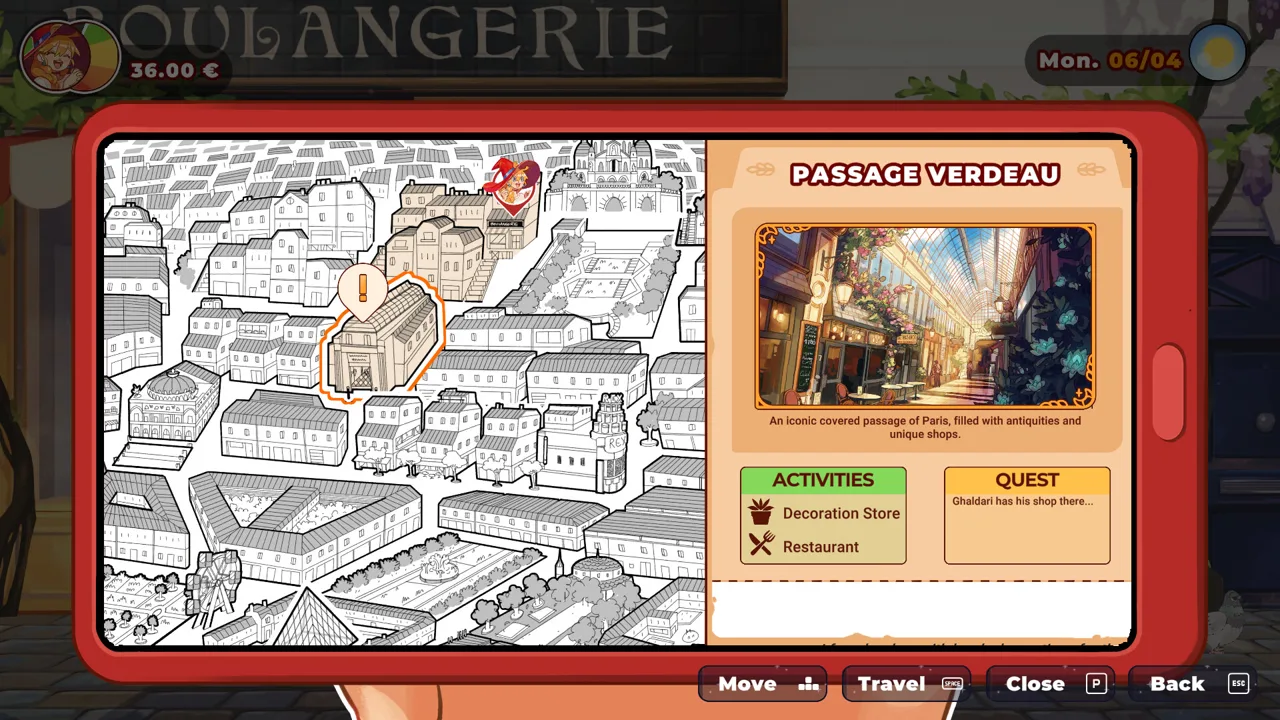 Image: Steam / Sunny Lab
Those touches make her love of baking visible before she ever prepares an order. Her clothes also connect her magical identity with the everyday Paris around her.
| Design element | How it connects to Lunne |
|---|---|
| Bread-shaped braid | Reflects her passion for baking |
| Croissant decoration on her hat | Combines pastry imagery with her witch identity |
| Classic sailor top | Adds a familiar touch of Parisian style |
| Long skirt | Balances the silhouette of her tall hat |
| Fuzzy socks and high-top shoes | Complete her comfortable outfit for exploring Paris |
Her color design follows the game’s focus on emotion. Other characters have palettes connected to particular emotional themes, while Lunne’s design embraces the full range of emotions.
That distinction fits her role. Helping someone means engaging with what they feel, including anger, fear, and sadness. Her cheerful appearance sits alongside a story that gives difficult emotions room to exist.
For cosplay or fan art, pay attention to the braid and hat decoration. Keep those baking details visible alongside the sailor top and long skirt to capture the combination that makes her recognizable.
How Lunne’s Daily Routine Works
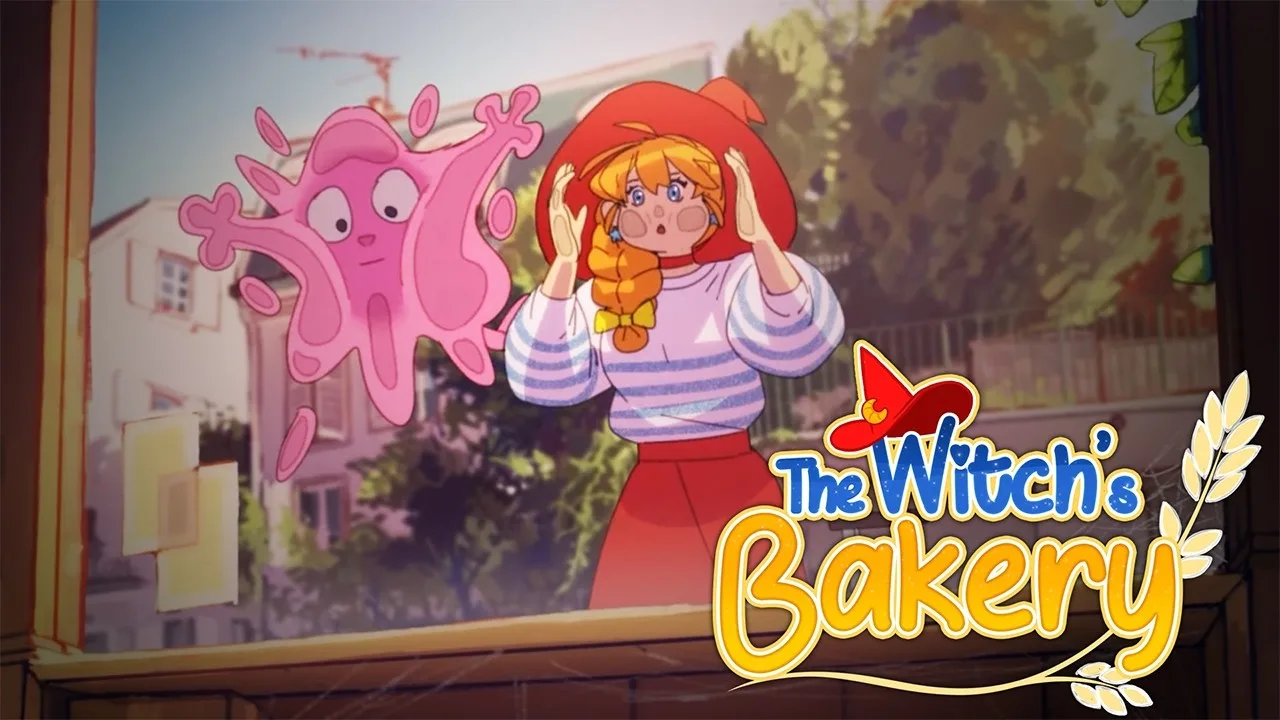
The Witch's Bakery Lunne gameplay loop divides each day into daytime, evening, and night. Each phase gives you a different part of her life to manage, from keeping dough ready to deciding how she spends her remaining energy.
| Phase | Lunne’s activities | Planning tip |
|---|---|---|
| Daytime | Work in the bakery, prepare magical dough, serve customers, and help with emotional troubles | Prepare dough early and replenish it during quieter moments |
| Evening | Explore Paris, spend time with friends, shop, and visit story-related Heart Palaces | Check character schedules before choosing an outing |
| Night | Rest, improve magic, decorate, and practice recipes in the Atelier | Check her energy before adding another activity |
Keep the Bakery Moving
Understanding The Witch's Bakery lunne gameplay starts with the different responsibilities Lunne and Orio have during service. Orio handles cooking and stocking, while Lunne prepares the dough because it needs her magic.
Prepare both bread dough and viennoiserie dough before the bakery becomes crowded. Once customers start arriving, look for breaks in service to replenish whichever supply demand is draining.
Customer patience also needs attention. Talk to waiting customers to recover patience, and serve impatient customers first when possible. From Day 3, watch the cleanliness counter as well: Orio stops making bread if cleanliness becomes a problem.
These tasks compete for your attention. Check dough, customers, and cleanliness together so that solving one problem doesn’t leave another unattended.
Use Evenings to Get to Know Paris
After work, Lunne can visit districts with their own characters, shops, and activities. Outings include restaurants, concerts, movies, and theater performances.
Check who is available before committing to a plan. Characters have schedules, and inviting someone out also means paying for the activity with money earned at the bakery.
Browse shops regularly for gifts and recipe books. Some recipes come from books sold by Hassan, while others come through story events or cooking with characters such as Estelle, Kei, and Best.
Leave Energy for Recovery
Night gives Lunne time for books, games, recipe practice, and rest. These activities support her growth, but draining her energy completely triggers burnout.
When that happens, Orio insists she rest the following day, interrupting your plans. Check her energy before choosing a late activity, especially after a Heart Palace visit.
Practice recipes in the Atelier to reduce Orio’s preparation time during business hours. Use quieter nights for that practice, and rest when Lunne needs recovery.
Lunne’s Heart Magic, Regrets, and Heart Palaces
The Witch's Bakery Lunne magic system connects emotional healing with both short bakery encounters and longer story sequences. Regrets are visible manifestations of emotional burdens that Lunne and Orio can see.

During service, helping a customer with a Regret involves a small minigame. These typically use mazes, with obstacles that change depending on whether the emotion is anger, fear, or sadness.
Complete the minigame while fulfilling the customer’s order to relieve that emotional weight. Larger troubles lead Lunne into Heart Palaces, where a person’s thoughts and feelings become a place she can explore.
What Happens Inside a Heart Palace?
Heart Palaces have designs and puzzles tied to their owners’ stories. Lunne moves through them, avoids enemies, and works toward understanding the struggle at their center.
The broad sequence connects exploration with relationships:
- Enter the Heart Palace during its story sequence.
- Work through puzzles and navigate obstacles.
- Reach barriers that require deeper understanding of the owner.
- Spend time with that person outside the Palace to learn more.
- Return as the story progresses and help guide the personified Emotion toward the Heart’s Cradle.
Inside the Palace, Lunne also finds the key ingredient needed for bread that can heal the person.
A barrier can therefore signal a relationship step. When progress depends on understanding someone better, follow their story outside the Palace and pay attention to what they share.
Solve Puzzles and Develop Emotional Powers
Heart Palace encounters use puzzles and enemy avoidance without combat. Each Palace also contains a Torment, a boss encounter built around a more complex version of its puzzle mechanics.
For sliding puzzles, identify the starting point and destination before moving pieces. Clear space for the pieces needed to connect them, then work through the route.
Outside Palaces, develop Lunne’s emotional powers through reading, games, and activities around Paris. Make room for those hobbies alongside bakery work and social visits. They contribute directly to her abilities as a Heart Witch.
Lunne’s Friends, Mentor, and Romance Option
The Witch's Bakery Lunne relationships give her new life in Paris much of its substance. Orio shares her daily work, Ghaldari connects her to her magical education, and new acquaintances bring their own ambitions and difficulties into the story.
| Character | Connection to Lunne |
|---|---|
| Orio | Her close companion and bakery helper; a pink Metamorph who changes shape and size |
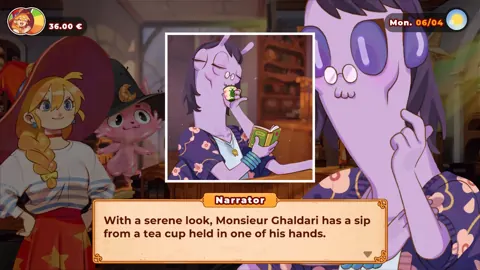
| Ghaldari | Her former Academy teacher and the owner of Dans la Toile in Passage Verdeau |
| Estelle Berger | A finance expert who visits the bakery in Chapter 2 and can become Lunne’s Valentine |
| Mirembe | A 13-year-old mage-in-training interning at Ghaldari’s shop |
| Mawuli | Mirembe’s older brother, a 19-year-old streamer who helps Lunne gain popularity |
| Kei | A master chef introduced in Chapter 4 who challenges Lunne to improve |
Build Friendships Through Shared Time
Talk to characters regularly, check their availability, and choose activities you can afford. Gifts also help develop relationships, so revisit shops as their stock changes.
Some friendships connect naturally with a character’s work. Buying from Hassan’s bookshop or Ghaldari’s magic shop supports those relationships. Cooking with Estelle and training with Kei provide other ways to spend time together.
Keep Orio in mind, too. Sharing the bakery puts him alongside Lunne every day, and gifts offer another way to strengthen their bond. His changing shape, expressive ears, and bright pink appearance make him a memorable presence during service and at home.
Can Lunne Romance Estelle?
Estelle is Lunne’s romance option. Your narrative choices determine whether their relationship develops into romance.
You meet her in Chapter 2 when she visits the bakery. Spend time with her, give her gifts, invite her out, and bake at her home as their relationship develops.
Read the dialogue carefully and choose responses that fit the relationship you want Lunne to pursue. Estelle’s story involves sadness, while Kei’s chapter explores anger and his struggles with ambition. Give those stories attention beyond the next relationship level; understanding people is central to Lunne’s magic.
Before beginning a full Steam playthrough, check one practical detail if you played the demo: select Default Public Version under Properties → Game Versions & Betas, then start a new game. Demo saves are incompatible with the full release and can cause progression to get stuck.
FAQ
Who is The Witch's Bakery Lunne?
Lunne is the playable protagonist, a cheerful 21-year-old Heart Witch who moves to modern Paris to open a bakery. She uses magical bread to ease emotional burdens and enters Heart Palaces to help people with deeper struggles.
Why does Lunne need Orio in the bakery?
Orio cooks and stocks baked goods while Lunne prepares the magical dough and serves customers. Keep dough supplies ready so Orio can continue preparing orders, and watch cleanliness once that system begins on Day 3.
Can Lunne date more than one character?
Estelle is the game’s romance option. Lunne can develop strong friendships with other characters, while narrative choices determine whether Estelle becomes her Valentine.
How do you improve Lunne’s magic without triggering burnout?
Read books, play games, and participate in activities around Paris to develop her emotional powers. Check her energy before adding another activity, and rest before it is completely depleted; burnout makes Orio insist on a recovery day.
Continue with
 The Witch's Bakery Oreo: Meet Orio, Lunne's HelperThe Witch's Bakery Oreo guide: meet Orio, Lunne's shapeshifting helper, learn how bakery tasks work, and keep the dough flowing during each working day.
More in Characters
The Witch's Bakery Characters: Meet Lunne and Friends
Meet The Witch's Bakery characters, from Lunne and Orio to Estelle and Kei. Explore their roles, relationships, emotional stories, and your romance option.
The Witch's Bakery Estelle: Romance & Character Guide
The Witch's Bakery Estelle guide: meet Estelle Berger, explore her Chapter 2 story, build your relationship, and learn how to pursue her romance in Paris.

The Witch's Bakery Romance: Estelle Relationship Guide
Explore The Witch's Bakery romance with Estelle, from meeting her in Chapter 2 to building your bond through gifts, baking together, and narrative choices.
Join the community
Official channels for news, updates and player help: