
The Witch's Bakery Daily Cycle: A Guide to Each Phase
Learn The Witch's Bakery daily cycle, from magical baking and Paris friendships to Heart Palaces, nighttime upgrades, and avoiding demo save problems.
Jump to

How Does The Witch's Bakery Daily Cycle Work?
A day in Lunne’s shoes takes you from magical breadmaking to the streets of Paris and into the emotions her friends keep hidden. The Witch's Bakery daily cycle gives each part of that adventure its own space: daytime for bakery work, evening for exploration, and night for rest and personal projects. Understanding The Witch's Bakery daily cycle helps you follow the story while keeping track of recipes, relationships, and Lunne’s growing magic.
You play as a joyful witch who has recently arrived in modern Paris and opened a bakery. Her special gift connects the shop to the wider adventure: she can see into people’s hearts and use magic and bread to help heal their emotions.
Here’s how the three phases fit together:
| Phase | Main activities | Place in Lunne’s adventure |
|---|---|---|
| Daytime | Work in the bakery, bake with magic, and help customers | Bring Lunne’s baking and emotional healing into everyday life |
| Evening | Explore Paris, spend time with friends, visit shops, and enter troubled hearts | Develop relationships and discover personal stories |
| Night | Rest, improve magic, decorate the bakery, and spend time in the atelier | Give Lunne time for herself and her magical craft |
The story moves forward across these days as Lunne earns experience, money, and fame, makes friends, and helps people through their struggles.
Keep the game’s narrative focus in mind as you settle into this routine. Its approachable gameplay supports the characters and their emotional journeys. Give conversations your attention alongside the baking; both belong at the center of the adventure.
Official page: The Witch's Bakery (store.steampowered.com)
Daytime: Bake With Magic and Help Your Customers
Daytime is the working portion of The Witch's Bakery daily cycle. Lunne spends it in the bakery, using her magic while making food and helping customers with their troubles.

The appeal comes from the connection between an ordinary neighborhood business and an extraordinary ability. A customer arrives at a bakery, but Lunne can offer something deeply personal through her magical bread.
Pay attention to the people you serve. Their emotional lives are part of the story you’re playing, and the bakery gives Lunne a place to put her gift into practice. Approach each interaction with the same curiosity you bring to exploring a new district.
Connect Baking to the Larger Story
Breadmaking and emotional healing are closely linked throughout the adventure. Some struggles lead Lunne inside a person’s Heart Palace, where she finds an ingredient needed for bread that can heal them.
That connection gives the bakery a role beyond the workday. What Lunne learns about someone can become part of what she creates for them.
Follow the emotional thread when a character’s story develops. Ask yourself what they’re struggling with and how Lunne’s magic relates to that struggle. This keeps the baking connected to the person receiving it.
Keep Track of New Recipes
Exploring Paris includes opportunities to buy books for new recipes. Keep recipe books in mind when you visit shops during the evening, especially if discovering more of Lunne’s baking interests you.
Use a short mental checklist while learning the routine:
- Follow customer conversations as part of the story.
- Connect healing bread with the person it is intended to help.
- Look for recipe books when exploring the city.
- Track experience, money, and fame as separate parts of Lunne’s progress.
Treat bakery work as one part of Lunne’s life. The relationships and discoveries outside the shop give that work much of its meaning.
Evening: Explore Paris and Enter Heart Palaces
Evening opens up the city. Once the workday is finished, Lunne can visit Parisian districts, spend time with main characters, take part in activities, and browse shops.

This portion of The Witch's Bakery daily cycle brings exploration and relationships together. Each district has its own characters, activities, and stores, giving you several reasons to look around.
| Evening activity | What it involves |
|---|---|
| Visit Parisian districts | Explore different parts of the city and discover their secrets |
| Meet main characters | Spend time with the people in Lunne’s new life |
| Join activities | Get to know characters through shared experiences |
| Browse shops | Find purchases, including books for new recipes |
| Enter Heart Palaces | Help friends whose emotions are deeply locked away |
Let your interest in the characters guide your attention. Follow a conversation that catches your curiosity, explore the places connected to the story, and check what the local shops offer.
Explore the Neighborhoods as Places With Their Own Stories
One location is Le Quai des Bouquinistes, a Parisian riverside setting associated with booksellers and collectible goods. It sits alongside the game’s broader interest in recognizable streets, neighborhood life, and the people who make those places feel welcoming.
Look at each district as a combination of people, activities, and shops. That gives you a useful way to organize your exploration without turning every outing into a shopping trip.
For example, connect a visit to a recipe bookseller with the characters and activities nearby. The city supports both Lunne’s craft and her friendships, so keep both in view as you explore.
Understand the Heart Palace Objective
Some emotions are buried so deeply that Lunne needs to enter a person’s heart to help. These journeys take place in a Heart Palace, a magical environment where thoughts and emotions take physical form.
Inside, Lunne needs to guide a personified Emotion back to the Heart’s Cradle. She also discovers the person’s deeper struggles and finds the key ingredient needed to make their healing bread.
Follow that sequence as you move through a character’s emotional story:
- Learn about the struggle represented inside the Heart Palace.
- Guide the personified Emotion toward the Heart’s Cradle.
- Find the ingredient connected to the bread that will heal them.
Read these spaces through the character they belong to. Their emotions are central to understanding what Lunne is helping them face.
Heart Palaces also explain why exploration matters to the bakery. The Witch's Bakery daily cycle carries you between meeting someone, understanding their pain, and using Lunne’s craft to help.
Give Relationships Your Attention
Friendship is a major part of the evening phase. Lunne can build meaningful connections with several characters, while narrative choices can also lead to romance with Estelle, whom you meet in Chapter 2.
If Estelle’s story interests you, pay attention to your narrative choices and her conversations. Keep meeting the wider cast as well; the adventure follows Lunne and her friends through their lives in Paris.
Night: Improve Magic and Make the Bakery Your Own
Night brings Lunne back to more personal activities. She can rest, improve her magic, decorate the bakery, and spend time in her cozy atelier.

This phase gives The Witch's Bakery daily cycle a quieter rhythm after customer service and city exploration. It’s time to focus on Lunne’s own space and abilities.
| Nighttime activity | What Lunne does |
|---|---|
| Rest | Takes a break from her daily adventures |
| Improve magic | Develops her magical abilities |
| Decorate the bakery | Personalizes the space she works in |
| Spend time in the atelier | Enjoys her personal creative space |
Keep magic improvement on your nighttime checklist as you learn the routine. Lunne’s abilities are central to both her identity as a witch and her work helping people.
Give decorating some attention, too, if making the bakery feel like home appeals to you. The shop is where Lunne works, welcomes customers, and expresses her craft. Personalizing it fits naturally alongside building a life in a new city.
The atelier is another part of that personal side of the adventure. Between the bakery, Parisian outings, and this cozy space, Lunne’s routine moves through work, friendship, and time for herself.
Use those distinctions to remember what belongs in each phase. Think about customers during the workday, people and places during the evening, and Lunne’s magic and surroundings at night. That simple structure makes the routine easier to follow.
Follow the Routine and Avoid Demo Save Problems
Keep a compact checklist as you get comfortable with The Witch's Bakery daily cycle: bakery work, city exploration, then nighttime activities.
During the day, follow customer interactions and the baking. In the evening, explore districts, spend time with characters, and look for recipe books. At night, check magic improvement and decorating alongside rest.
Follow the story at a pace that lets you absorb the conversations. Reading is a substantial part of this narrative adventure, and character relationships give the recurring routine its emotional weight.
Start Fresh if You Played the Steam Demo
Before settling into that routine on Steam, check whether you’re continuing from the demo. Demo saves are incompatible with the full game, and loading one can cause the adventure to get stuck later.
A visible Continue button can still point to an old demo save. Start a new game for the full release.
| Check | What to do on Steam |
|---|---|
| Game version | Right-click the game in your library and open Properties |
| Branch selection | Open Game Versions & Betas and select Default Public Version |
| Previous demo progress | Start a new game instead of continuing the demo save |
| Continue button after playing the demo | Begin a fresh adventure even if Continue appears |
Removing the demo branch does not remove the old save. Make both checks before investing time in a new playthrough: the correct version and a fresh game.
If you encounter a bug during the full adventure, check Steam Discussions for an existing report. Add your experience to a matching thread, or create a report if the issue hasn’t already been raised.
FAQ
What are the three phases of The Witch's Bakery daily cycle?
The Witch's Bakery daily cycle consists of daytime, evening, and night. Lunne works in the bakery during the day, explores Paris and develops relationships in the evening, then rests, improves magic, decorates, and spends time in her atelier at night.
What do you do inside a Heart Palace?
Lunne enters a magical space shaped by someone’s thoughts and emotions. She guides a personified Emotion back to the Heart’s Cradle and finds the key ingredient needed to bake bread that can heal that person.
Can you discover recipes while exploring Paris?
Yes. Evening exploration includes visiting shops where you can buy books for new recipes. Look for those books while getting to know each district’s characters, activities, and stores.
Can you continue a Steam demo save in the full game?
Start a new game. Demo saves are incompatible with the full release and can cause progression problems. On Steam, also check Properties, then Game Versions & Betas, and select Default Public Version.
Continue with
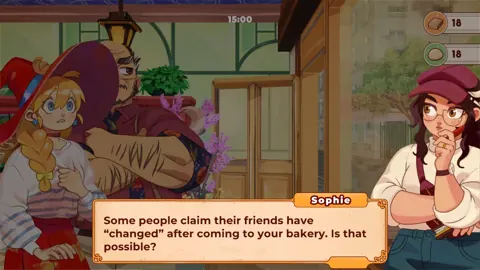 The Witch's Bakery Gameplay: A Cozy Beginner's GuideExplore The Witch's Bakery gameplay, from magical baking and Paris friendships to Heart Palaces, romance, and demo save mistakes to avoid before you play.
More in Guide

The Witch's Bakery Beginner Guide: 10 Essential Tips
The Witch's Bakery beginner guide covers dough, customer patience, recipes, and Heart Palaces. Start strong with practical tips for starting out in Paris.
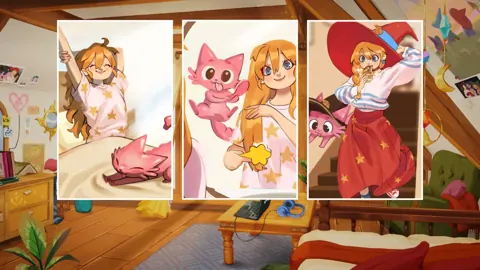
The Witch's Bakery Controls: PC and Controller Guide
Learn The Witch's Bakery controls, explore PC controller support and remapping, and get practical tips for baking, serving customers, and healing hearts.
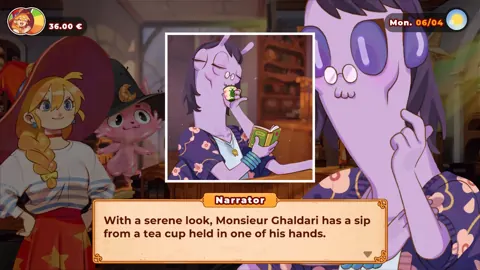
The Witch's Bakery How Long to Beat: Playtime Guide
The Witch's Bakery how long to beat explained: plan for 25–30+ hours, understand the daily routine, and avoid demo save issues before you begin playing.
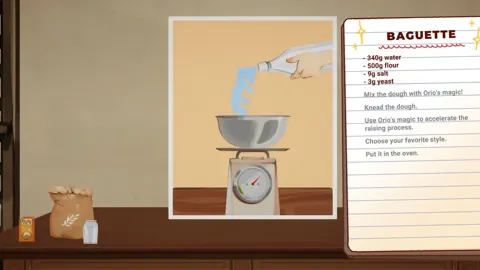
The Witch's Bakery Walkthrough: Days 1–12 and Puzzle Tips
Follow The Witch's Bakery walkthrough through Days 1–12 with dough tips, Ghaldari's hidden shop, Estelle's Heart Palace puzzles, and the demo save fix.
Join the community
Official channels for news, updates and player help: